| Specification | Details |
|---|---|
| Product Name | TLC Developing Chamber |
| Product Type | Chromatography Developing Chamber |
| Material | Glass |
| Technique | Thin Layer Chromatography (TLC) |
| Chemical Resistance | Suitable for laboratory solvents |
| Applications | Thin Layer Chromatography, Pharmaceutical Analysis, Chemical Research, Quality Control, Educational Laboratories, Environmental Testing |
All, LAB Consumables
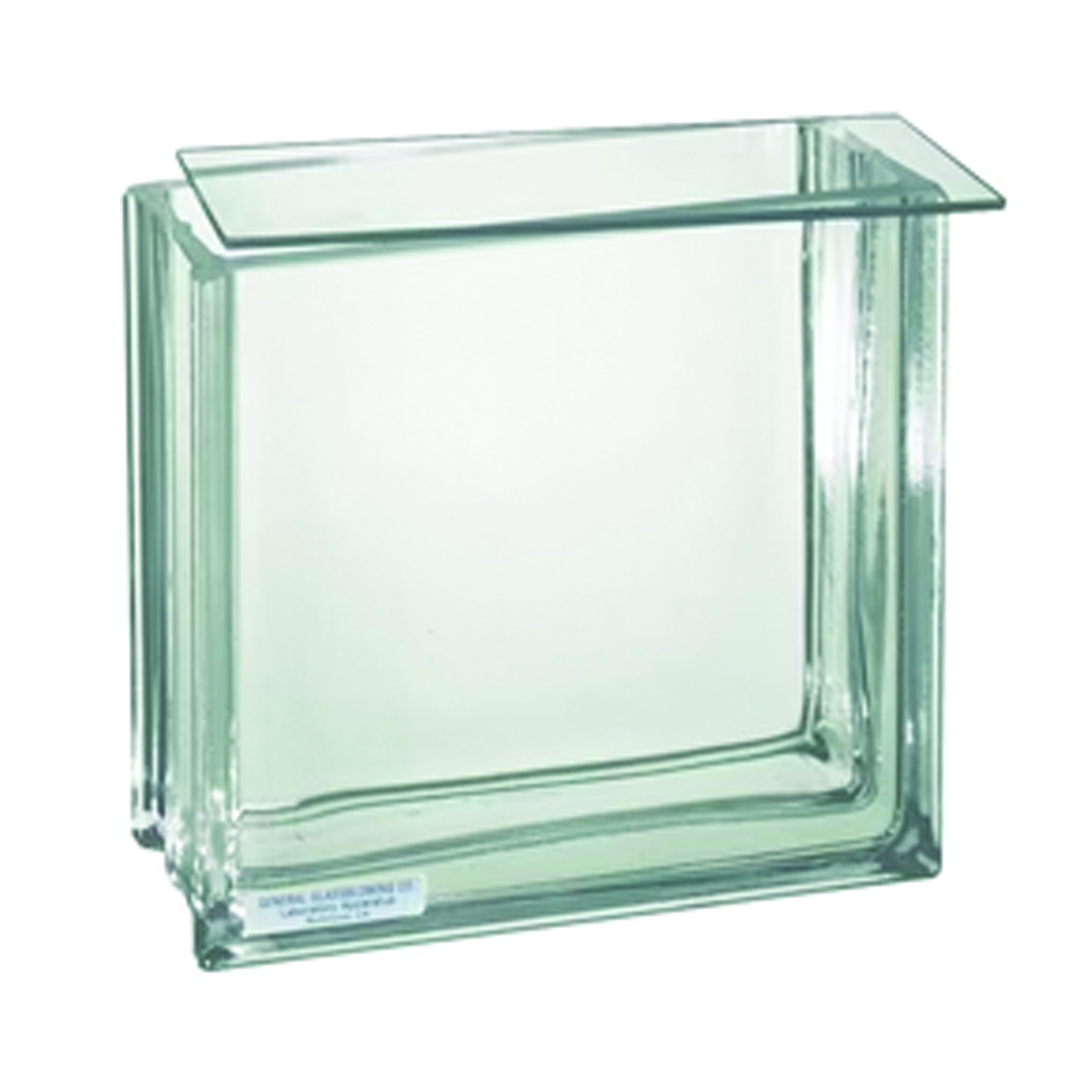
TLC Developing Chamber
The TLC Developing Chamber is a laboratory glass chamber designed for Thin Layer Chromatography (TLC) applications. It provides a controlled environment for solvent development, enabling consistent and reproducible chromatographic separations in analytical laboratories.
- Designed specifically for Thin Layer Chromatography (TLC) development procedures.
- Glass construction provides clear visibility during solvent development.
- Supports uniform solvent migration for consistent chromatographic results.
- Suitable for routine analytical, research, and quality control applications.
- Compatible with a variety of laboratory solvents used in TLC analysis.
- Easy to clean and suitable for repeated laboratory use.
- Ideal for pharmaceutical, chemical, educational, and research laboratories.
The TLC Developing Chamber is an essential laboratory accessory used during Thin Layer Chromatography (TLC) procedures to develop chromatographic plates under controlled conditions. It is designed to hold the developing solvent while allowing the TLC plate to stand vertically, ensuring uniform solvent migration for accurate separation of sample components.
Commonly manufactured from laboratory-grade glass, the chamber offers excellent visibility of the developing process and compatibility with a wide range of laboratory solvents used in chromatography. It is widely used in pharmaceutical laboratories, chemical research, academic institutions, quality control laboratories, and environmental testing facilities. The chamber supports routine analytical applications, compound identification, purity assessment, and qualitative analysis, making it an important tool for chromatography workflows requiring reliable and reproducible results.